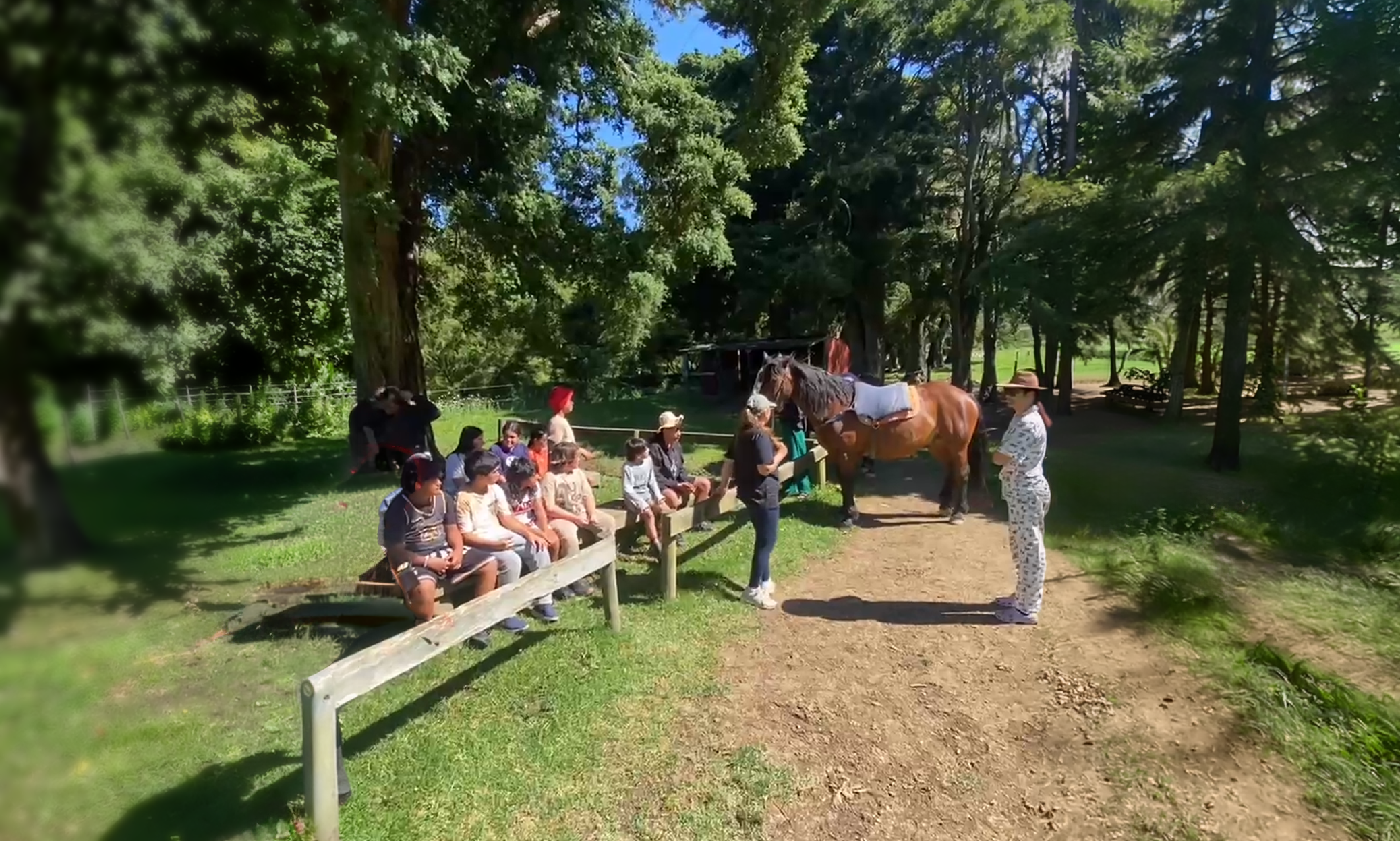
In rural communities like Whangaruru, sport is often the heartbeat of connection. But what happens when distance, cost, transport and equipment stand in the way of tamariki accessing opportunities outside of school and rugby?
This year, with the support of RFL coordinator Keri Wynard, our club chose to act.
We set out to create an inclusive after school programme for tamariki in Whangaruru that removed barriers and opened doors. What followed was one of the most meaningful community initiatives we have delivered.
Why We Created This Opportunity
The decision was driven by a clear need. Many tamariki in rural Northland face barriers to participation in sport and active recreation. Living rurally can mean long travel times, limited transport options, added costs and fewer local programmes.
With Keri Wynard supporting the club in her role as RFL coordinator, conversations quickly shifted from identifying the problem to creating a practical solution. Having an RFL coordinator available meant the club had someone to drive the kaupapa forward, apply for funding, manage logistics and ensure the programme aligned with community needs.
As a club, we believe in supporting tamariki holistically. Not just as rugby players, but as young people within their whānau and wider community.
Our goals were clear:
We wanted tamariki to feel seen, supported and excited to turn up each week.
The Value of RFL Coordinators For Rural Clubs
Having an RFL coordinator embedded within a rural club makes a significant difference.
An RFL coordinator can:
Community sport relies heavily on volunteers. An RFL coordinator provides dedicated capacity and leadership to move ideas from discussion into action. In this case, Keri Wynard’s coordination ensured the programme was safe, inclusive and sustainable.
Investment in club-based coordinators strengthens grassroots sport, improves participation outcomes and builds stronger connections between tamariki, whānau and their local rugby club.
How the Idea Came to Life
The kaupapa grew from ongoing conversations led by Keri about equity and access. The focus was simple. Remove as many barriers as possible.
To make it happen, funding was sought through the Tū Manawa Active Aotearoa Fund, delivered locally by Sport Northland. This fund supports tamariki and rangatahi who face barriers to participating in sport and active recreation.
You can learn more about this programme here: Tū Manawa Active Aotearoa Fund Sport Northland
A total of $4,100 was secured to deliver the programme. This funding covered delivery costs, equipment and transport, all critical components in a rural community.
Behind the scenes, the work was significant:
While funding enabled delivery, a substantial amount of unpaid time went into planning and implementation. In future, additional funding for a dedicated programme coordination component will be crucial to ensure long term sustainability.
Committee & Community Support
Although Keri coordinated the programme, it was powered by community collaboration.
A strong partnership was formed with The Farm, who hosted the activities and were instrumental in creating a safe and engaging environment for tamariki. This relationship has since grown, with The Farm expressing interest in continuing to support the kaupapa in future years.
Parents and whānau also stepped up. They supported supervision and transport and have expressed enthusiasm for similar opportunities in the future.
When clubs, local providers and whānau work together, real impact happens.
Participation & Programme Delivery
The after-school programme ran across six sessions and saw fantastic engagement:
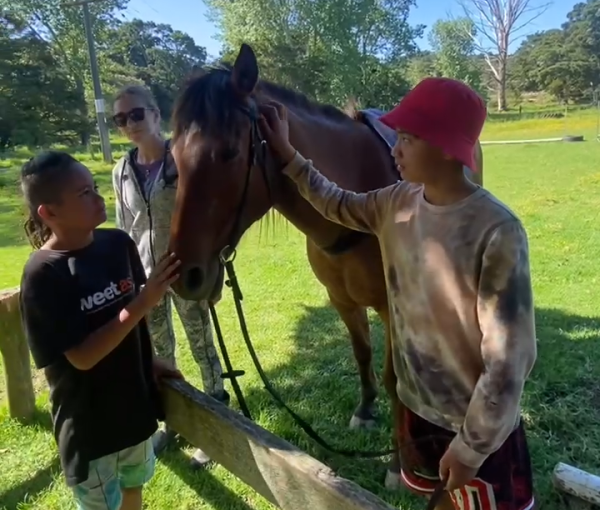
Four sessions focused on horse riding. For some tamariki, this was a first experience working with horses. Confidence and capability grew week by week.
The final two sessions featured a giant waterslide, creating a high energy and fun finish to the programme.
Afternoon tea was provided at every session, and van transport was organised and driven by Keri to ensure tamariki could get home safely. This transport component was critical in ensuring equitable access for all whānau.
Without transport, participation would have been limited. With it, access was equal. 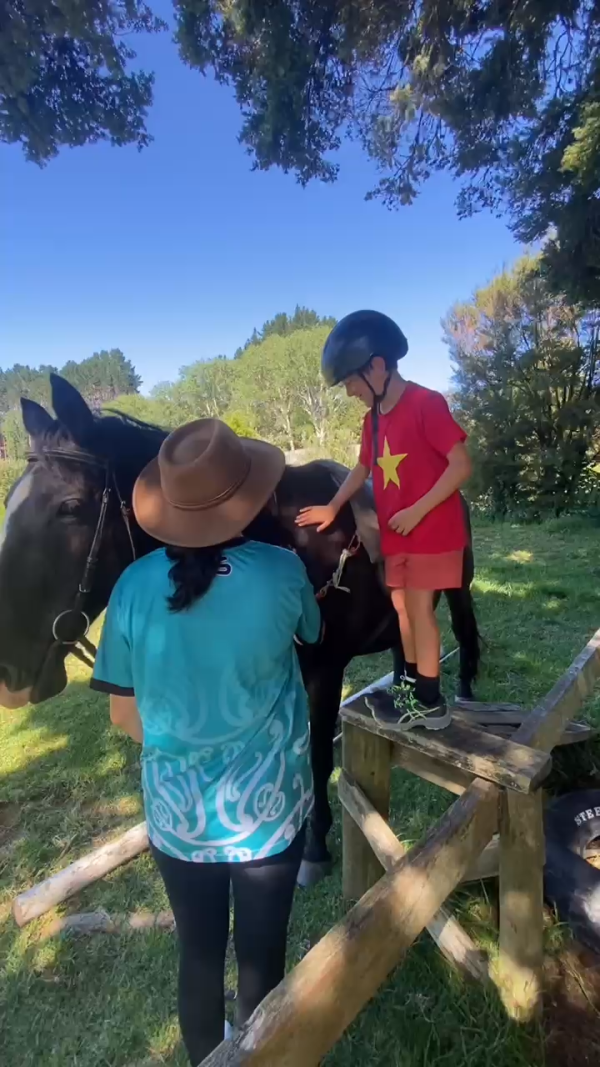
Highlights - Challenges & Future Potential
The highlight was seeing tamariki arrive excited, respectful and genuinely thankful for the opportunity.
Watching confidence build and hearing positive feedback from whānau reinforced the value of the initiative.
Delivering a rural after school programme is not without its challenges. Planning, compliance, logistics and time demands are real. But with an RFL coordinator providing structure and leadership, the programme was able to run smoothly.
The club is keen to run a similar kaupapa again. The confidence built in tamariki, the trust strengthened with whānau and the partnerships formed highlight the long-term impact such initiatives can have.
More Than a Programme
For Keri, she has said that delivering this programme has been the most meaningful work undertaken during her time at Whangaruru.
It reinforced what is possible when clubs are supported with dedicated roles like an RFL coordinator. Rugby clubs can be more than sport. They can be safe spaces, connectors and catalysts for positive youth development.
The success of this kaupapa demonstrates the impact of removing barriers and genuinely prioritising tamariki.
This is how community rugby grows. This is how rural communities thrive.